Maintenance Tips to Extend the Life of Your Steel Drain Grates
Steel drain grates are built to handle water, weather, and regular use, but like any outdoor product, they last longer when given proper care. With consistent maintenance, these grates stay strong, drain efficiently, and resist early wear. Below are practical steps that help you extend the lifespan of your steel drain grates without needing advanced tools or complicated procedures.
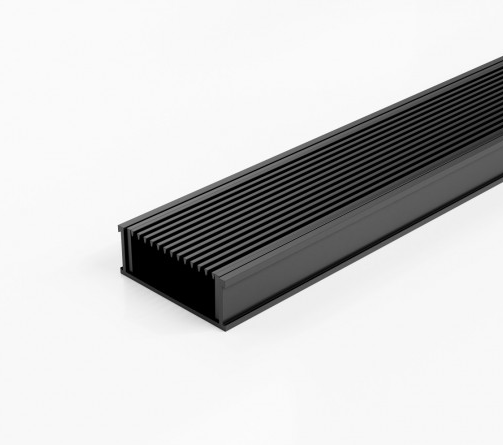
Regular Cleaning to Keep Water Flowing
Debris buildup is one of the most common causes of drainage issues. Leaves, soil, mulch, and rubbish naturally settle on top of the grate and inside the drain. When this accumulation gets heavy, it slows water movement and leaves moisture sitting around the steel for longer than necessary.
A quick sweep or rinse every few weeks keeps the grate clear and functioning properly. In outdoor spaces with trees or gardens, cleaning may be needed more often especially after storms or windy days. Consistent cleaning also makes it easier to notice damage early.
Checking for Rust Before It Spreads
Steel drain grates are designed to resist corrosion, but constant exposure to water and dirt can eventually create small rust spots. Catching rust early is key to preventing long-term damage.
Take a few minutes every couple of months to inspect the surface and edges of the grate. If you notice rust beginning to form, a light scrub with a wire brush usually removes it. Applying a metal-safe protective coating afterwards helps slow the return of corrosion. Small maintenance jobs like these help the grate stay in strong condition for years.
Making Sure the Grate Is Sitting Correctly
Steel drain grates can shift slightly over time due to soil movement, ground settling, or repeated pressure from vehicles or foot traffic. When a grate becomes uneven, it may rattle, tilt, or put extra stress on certain areas.
Check occasionally that the grate is sitting level and locked properly into its frame. If it looks like it has moved, repositioning the grate or tightening any fixings usually solves the problem. Keeping the grate stable helps prevent unnecessary bending or premature wear.
Watching for Pressure or Load Damage
Not all steel drain grates are designed for the same type of traffic. A grate in a residential garden will face different loads than one in a commercial driveway. Even strong grates can slowly deform under constant pressure.
Look for bending, dents, or widening gaps between the grate and frame. These are all signs of load stress. Addressing them early reduces safety risks and prevents sudden failures that could lead to costly replacement or repair work.
Deep Cleaning the Drain Channel
A deeper clean once or twice a year keeps the entire drainage system working smoothly. Lift the grate out and clear any mud, stones, leaves, or buildup from the drain channel. This keeps water flowing freely and reduces the risk of overflow or pooling.
This is also a chance to check the underside of the grate an area often forgotten but important. The underside may show signs of wear that aren’t visible from above, so inspecting both sides helps you stay ahead of potential issues.
Applying Protective Coatings When Needed
In locations with harsh conditions coastal areas, industrial sites, or spaces exposed to chemicals a protective coating can make a noticeable difference. These coatings add a barrier against moisture and corrosion, supporting long-term durability.
Final Thoughts
Maintaining steel drain grates isn’t difficult; it just takes regular attention and simple care. By cleaning consistently, checking for early rust, ensuring proper alignment, and monitoring load stress, you help your grates perform reliably for many years.
For anyone looking for long-lasting steel drain grates or guidance on choosing the right drainage products, The WaterStop Shop offers a wide range of dependable options and helpful support.


Comments
Post a Comment