Surface Primer for Indoor vs Outdoor Projects: Key Considerations
When it comes to painting, waterproofing, or coating any surface, Surface Primer is one of the most important steps in achieving a durable, long-lasting finish. Whether you’re working on an indoor wall or an exterior façade, the right primer sets the foundation for everything that follows from adhesion to protection and appearance. However, not all primers are created equal, and selecting the appropriate type for indoor vs outdoor use can significantly impact the performance of your project.
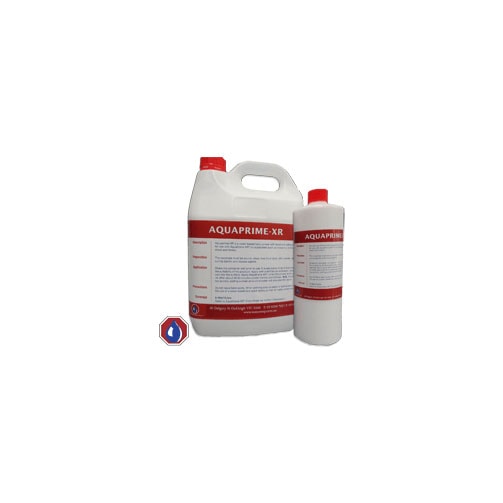
What Is Surface Primer?
Surface Primer is essentially a preparatory coating applied to substrates such as concrete, wood, drywall, or metal before the final paint or waterproofing layer. Its purpose is to:
-
Create a uniform, stable base for topcoats
-
Improve adhesion, helping coatings stick better to the surface
-
Seal porous materials to prevent uneven absorption
-
Provide moisture, mildew, and weather resistance when required
-
Enhance the durability and appearance of the finished surface
Surface primers vary in formulation depending on their intended environment and substrate type. Understanding these differences helps you choose the right product for your specific project.
Key Differences Between Indoor and Outdoor Surface Primers
While both indoor and outdoor primers prepare surfaces for coating, their formulations and performance attributes differ significantly.
1. Resistance to Environmental Factors
Outdoor environments expose surfaces to a wide range of weather conditions rain, UV rays, temperature swings, wind, and humidity. Outdoor primers are formulated with additives that enhance weather resistance, help prevent moisture penetration and guard against UV degradation. These features are not typically needed indoors, where environmental factors are far less severe.
Indoor primers, on the other hand, are mainly focused on providing a smooth base for paint and improving adhesion within the controlled climate of a building interior. They are usually not engineered to withstand prolonged moisture exposure or sunlight.
2. VOC Levels and Indoor Air Quality
Volatile Organic Compounds (VOCs) are chemicals that can be emitted from many construction materials, including primers. Indoor primers typically have lower VOC content and milder odors, making them safer and more comfortable to use inside enclosed spaces. Higher VOC products, often found in outdoor formulations, can cause strong fumes and should be used with good ventilation.
3. Flexibility and Durability
Outdoor primers must cope with surface expansion and contraction caused by temperature changes. As a result, they are usually more flexible and robust to avoid cracking or peeling of the coating system. Interior primers do not need this level of flexibility, as indoor surfaces are less prone to temperature variation and moisture cycles.
4. Mildew and Mold Resistance
Because of higher moisture exposure outdoors, many outdoor primers include mildew and mold-resistant additives, especially useful in humid climates or shaded areas that might stay damp. Some indoor primers may also have mold inhibitors, but these are generally less robust than outdoor-specific products.
Can You Use Indoor Primer Outside (or Vice Versa)?
A common question many DIYers and professionals ask is whether indoor primer can be used outside, or if outdoor primer can be used indoors. The short answer is: it depends, but generally, you should use primers as intended.
Why Indoor Primer Shouldn’t Be Used Outside
Indoor primers lack the weatherproofing and UV resistance needed for exterior conditions. Exposing an indoor primer outdoors can lead to peeling, cracking, fading, or premature failure of the coating system. Without proper resistance to moisture and sun exposure, outdoor surfaces may develop blistering and flaking much sooner than expected.
Why Outdoor Primer Isn’t Always Ideal Indoors
Outdoor primers, while more durable, may not be the best choice for indoor use because they often contain higher VOCs and stronger odors. This can negatively affect indoor air quality during and after application. Moreover, investing in outdoor-level protection indoors may be unnecessary and cost-inefficient.
In general, matching the primer to the environment leads to the best results low-odor, low-VOC formulas for interior jobs, and weather-resistant, durable primers for exterior applications.
Choosing the Right Surface Primer for Your Project
Indoor Projects
For indoor surfaces like drywall, plaster, ceilings, and interior woodwork, opt for:
-
Low-VOC interior Surface Primer
-
Water-based primers for ease of application and cleanup
-
Options formulated to smooth porous surfaces and seal stains
These primers help create a flawless base, improving paint adhesion and final finish quality.
Outdoor Projects
For exterior walls, fences, decks, patios, or any surface exposed to elements, choose:
-
Exterior Surface Primers with UV resistance
-
Options with mildew and moisture protection
-
Products with higher durability and flexibility to withstand weather cycles
Outdoor primers ensure your topcoat remains intact even under harsh conditions.
Preparing the Surface Before Priming
Regardless of indoor or outdoor use, proper surface preparation is critical. Surfaces should be:
-
Clean and dry
-
Free from dust, grease, and loose particles
-
Previous coatings removed if damaged or failing
Taking the time to prepare the substrate improves primer adhesion and overall project success.
Common Surface Primer Applications
Surface Primer isn’t just for painting it’s also essential in waterproofing and coating systems. For example, applying primer before waterproof membranes on concrete can significantly improve adhesion and increase the lifespan of your waterproofing solution.
Conclusion
Whether you’re tackling an indoor refresh or an exterior renovation, selecting the right Surface Primer is essential for durability, appearance, and long-term performance. Indoor primers offer low VOCs and smoother finishes for controlled environments, while outdoor primers provide weather resistance, flexibility, and protection against the elements. Always match your primer choice to the specific conditions of your project, and prepare surfaces thoroughly before application.
For professional-grade Surface Primer and high-quality coating solutions, The WaterStop Shop offers a range of primers designed to meet the unique demands of both indoor and outdoor projects helping you achieve lasting results every time.


Comments
Post a Comment