Understanding the Importance of Proper Drainage in Waterproofing Systems
Waterproofing systems are crucial for protecting buildings from water damage, but their effectiveness relies heavily on one key factor — proper drainage. Even the highest-quality waterproofing materials can fail if water is allowed to accumulate near or on the structure. A well-planned drainage system ensures that water is directed away from vulnerable areas, reducing risks of leaks, structural damage, and costly repairs.
Why Proper Drainage Matters
When water is trapped against walls, floors, or podium decks, it creates hydrostatic pressure that can compromise waterproofing membranes and coatings. Over time, this can lead to cracks, seepage, and moisture-related problems such as mould or mildew. In landscaping projects or planter boxes, poor drainage can cause waterlogging, which affects plant health and soil stability. Proper drainage works alongside waterproofing systems to manage water effectively, ensuring the longevity and performance of the structure.
The Role of Drainage Cells
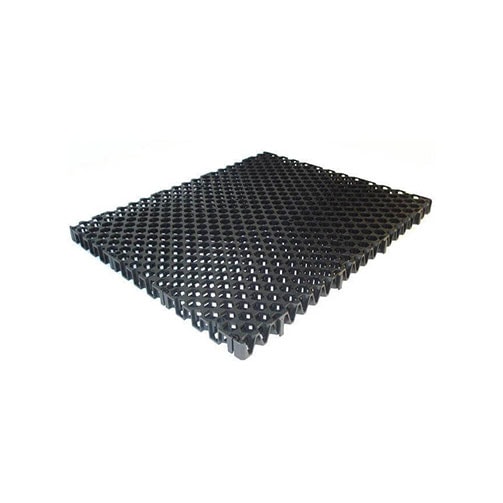
Drainage cells are engineered solutions designed to facilitate water movement away from waterproofed surfaces. They create a void space that allows water to flow freely toward designated drainage outlets. By reducing hydrostatic pressure, drainage cells help prevent leaks and protect structural integrity.
In areas such as green roofs, landscaped podiums, or balcony decks, drainage cells not only manage excess water but also maintain soil and plant health by preventing waterlogging. Their modular design allows for easy installation and consistent performance across different applications. Using the right drainage cells is essential for achieving an effective waterproofing system.
Choosing the Right Drainage System
Selecting the appropriate drainage cell and layout depends on the project type, surface, and waterproofing method. Lightweight drainage cells are often preferred for large-scale developments because they are easy to handle and distribute loads evenly. Correct placement ensures water is efficiently channeled to outlets, reducing the risk of pooling and long-term structural damage.
For commercial and residential projects, sourcing drainage solutions from reliable suppliers ensures materials meet industry standards and are compatible with the waterproofing system in use. High-quality drainage cells paired with an effective waterproofing system provide a complete solution that safeguards the structure while reducing maintenance costs over time.
Benefits of Integrating Drainage with Waterproofing
Integrating a well-designed drainage system with waterproofing offers several benefits:
-
Reduced Risk of Leaks: Water is directed away from vulnerable surfaces, minimizing damage.
-
Extended Lifespan of Waterproofing: Less pressure and water accumulation reduce wear and tear on membranes.
-
Improved Structural Integrity: Prevents cracks, subsidence, or erosion caused by trapped water.
-
Healthier Landscaping: Ensures plants and soil remain balanced without waterlogging issues.
Final Thought
Proper drainage is not an optional part of waterproofing — it is essential. By combining high-quality waterproofing materials with effective drainage cells, you can protect your structure, prevent costly repairs, and ensure long-term durability. For builders, architects, and renovators seeking reliable solutions, The WaterStop Shop, one of the trusted Drainage Cell Suppliers, provides premium drainage cells and waterproofing products designed to deliver consistent results and peace of mind for every project.


Comments
Post a Comment